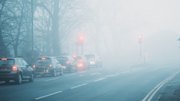
How can I protect my car during heavy rain and flooding?


Winter weather can change quickly. One day it might be cold and sunny, and the next it could be icy, snowy or wet. These conditions can make driving more difficult, so it's important to be prepared before you leave.
Use The Highway Code and this winter driving checklist to help you stay safe when driving in snow, ice and other challenging winter conditions. Their main advice is not to drive in icy or snowy weather unless the journey is essential.
A few minutes of planning can help you avoid unexpected problems. Check the weather forecast before you travel and allow extra time for your journey if conditions are poor. Where possible, stick to main roads, as they are more likely to have been gritted and cleared.
Before setting off, make sure your car is ready for winter conditions. Clear all snow and ice from your windows, mirrors, lights and number plates. This helps you see the road clearly and makes it easier for other road users to see you. Remove any snow from the roof too, as it could fall onto your windscreen or into the path of another vehicle while you're driving.
The Highway Code says you should make sure your windows are fully demisted, your lights are clean and your view of the road is not blocked before you start your journey.
It's also worth checking your tyres, lights, oil, antifreeze and windscreen washer fluid regularly. Keeping your car in good condition can help reduce the risk of problems during winter journeys.
It's a good idea to keep a few essentials in your car too, such as a warm coat, blanket, torch, ice scraper and de-icer, in case you're delayed by bad weather.
One of the most important things to check is whether you're driving at a safe speed for the conditions.
Snow and ice can make it harder for your car to grip the road and can increase stopping distances. Slow down and leave more space between you and the vehicle in front. Try to drive smoothly and avoid sudden braking, steering or acceleration. Gentle movements can help you stay in control and reduce the risk of skidding.
Driving techniques may need to change when roads are slippery. If roads are icy or covered in snow, driving in a higher gear can help improve grip. In a manual car, you may find it easier to move off in second gear rather than first, as this can help stop the wheels from spinning.
If you drive an automatic car, check your handbook. Some vehicles have a winter driving mode designed for snowy and icy conditions.
Winter driving is not just about snow and ice. Bright sunshine can also be a hazard. The sun sits lower in the sky during winter and can make it difficult to see clearly. Keeping a suitable pair of sunglasses in your car may help reduce glare. Clean your windscreen and keep it free from dirt and smears. Take extra care at junctions and roundabouts, as other drivers may also be struggling to see.
Preparing for winter driving starts with a few simple checks. Slowing down, making sure your car is ready for colder weather and planning ahead can help keep you and your passengers safe throughout the winter months.

Exclusive member price on car insurance.
Your discount is applied if your details match those on our membership database and is not available on add ons.